



FRANGIPANI PERFUMES
Frangipani is the scent of tropical blossoms in the evening heat: creamy, sweet and deeply exotic, with a soft coconut-like warmth beneath its petals. It suits everyone who loves opulent white florals that feel sun-drenched rather than powdery.
The perfumes in this category carry frangipani as a rich, radiant heart. They lean warm and sensual, made for balmy days and long summer nights when a fragrance should feel like a caress. Browse the selection and find the interpretation that speaks to you.
WOMEN'S FRANGIPANI PERFUMES
-45%
-45%
-45%
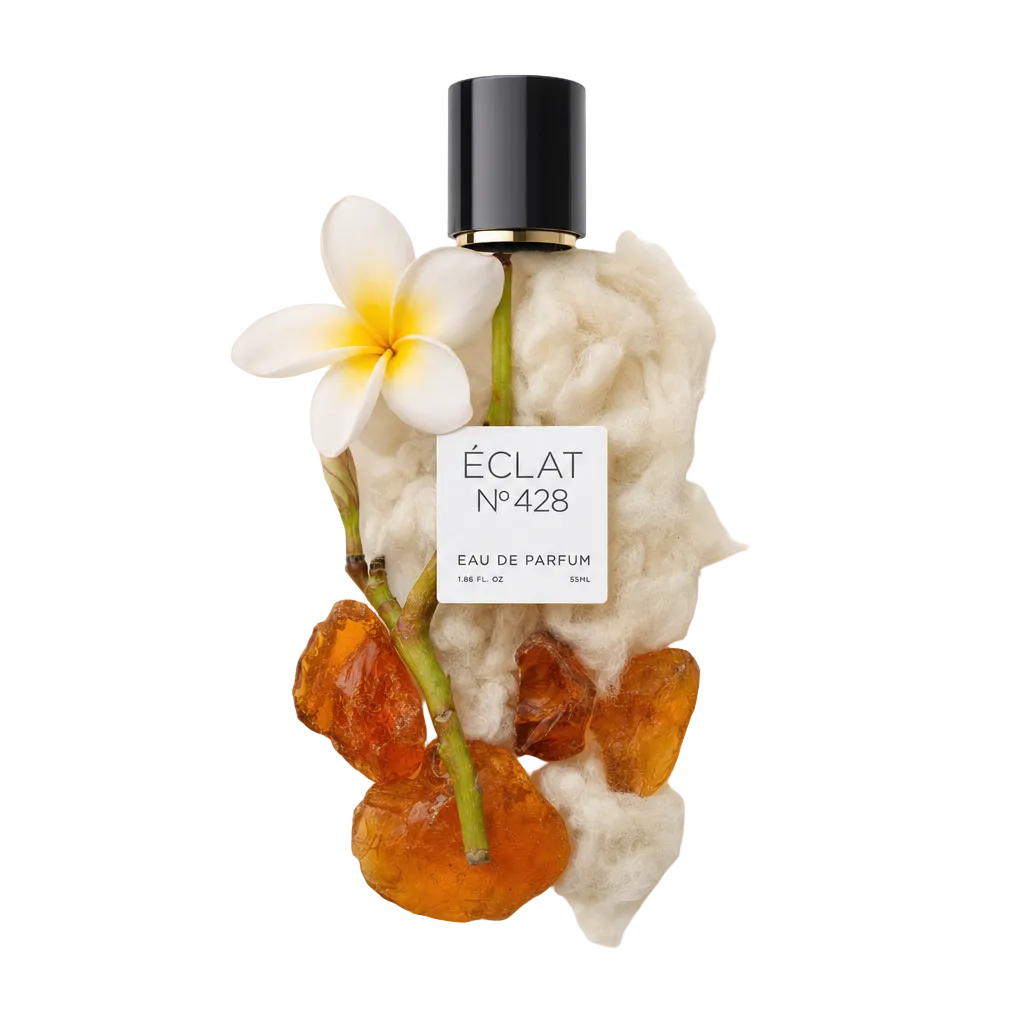
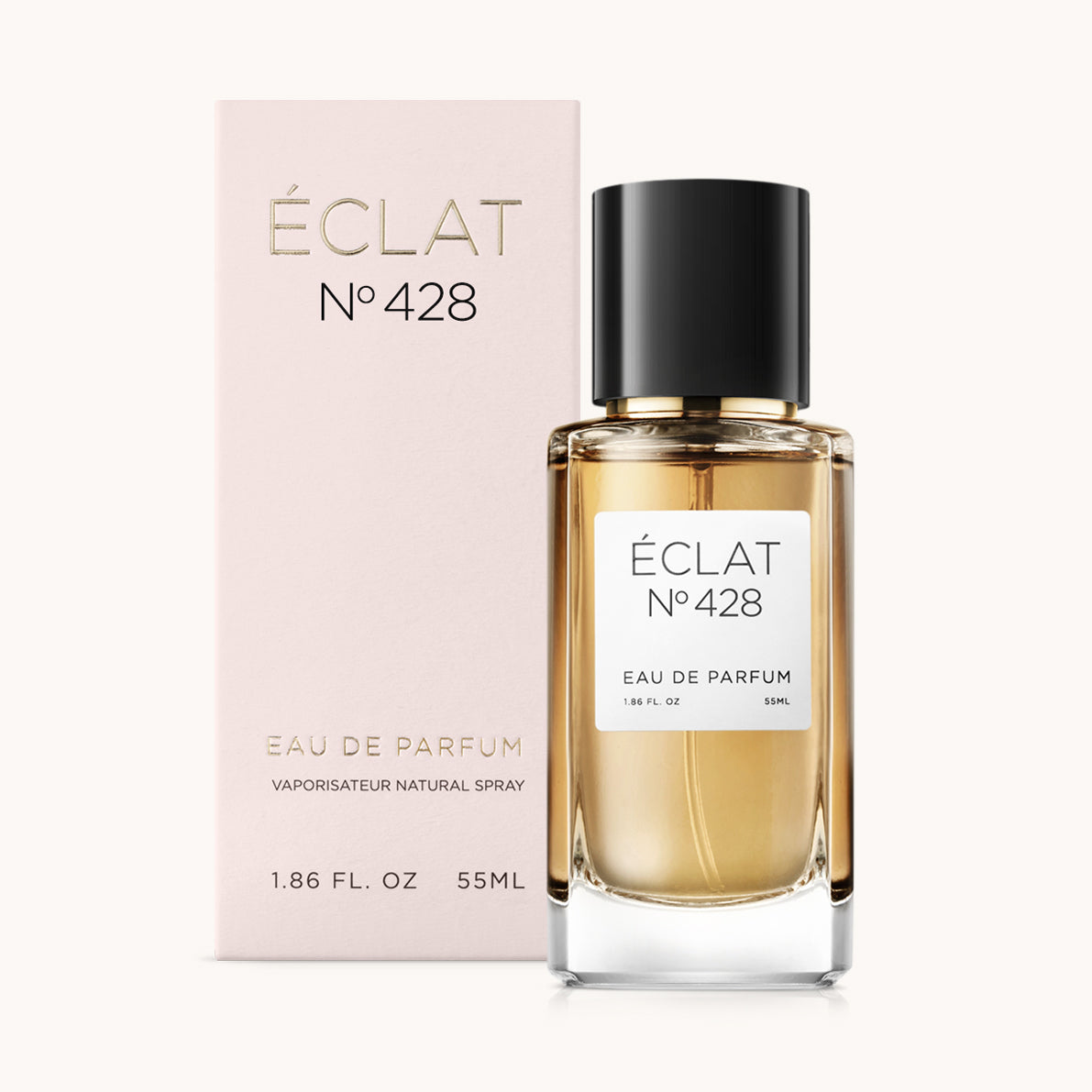
RPP
-45%
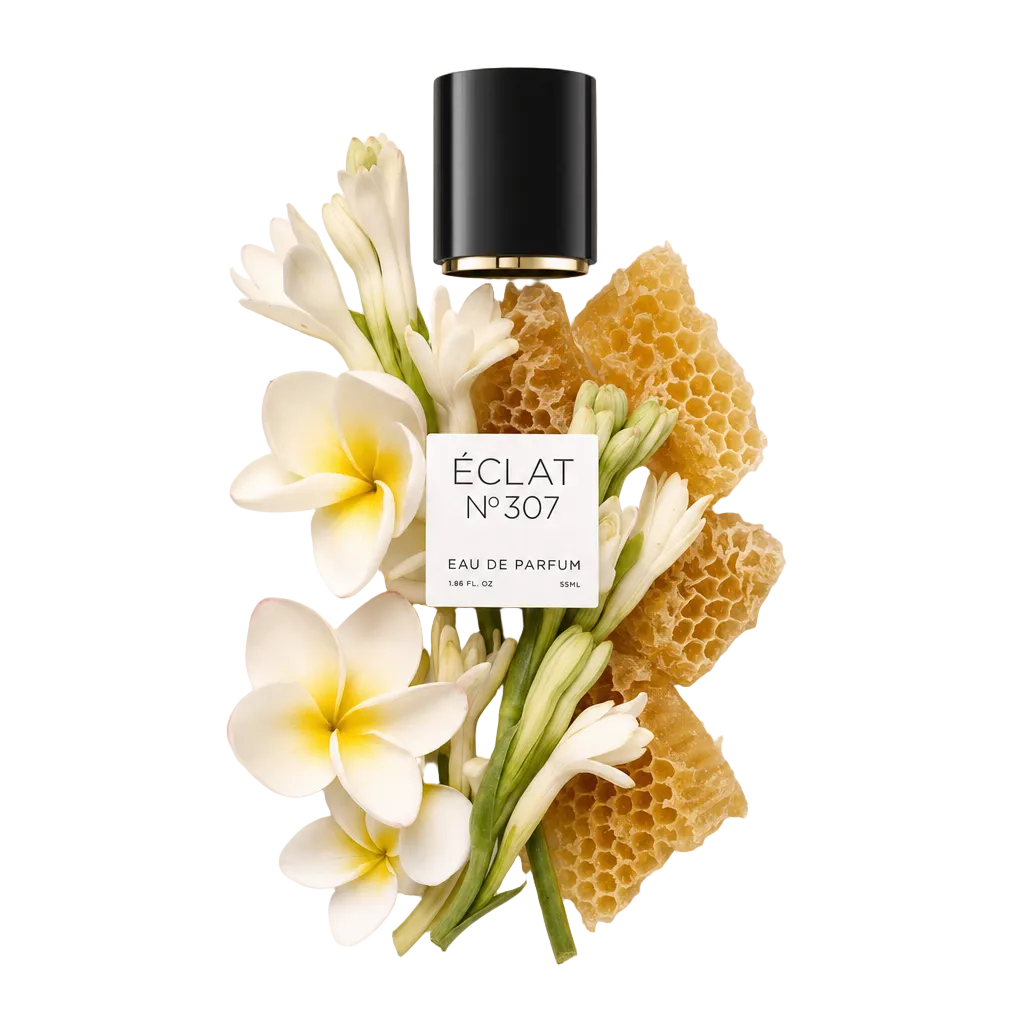
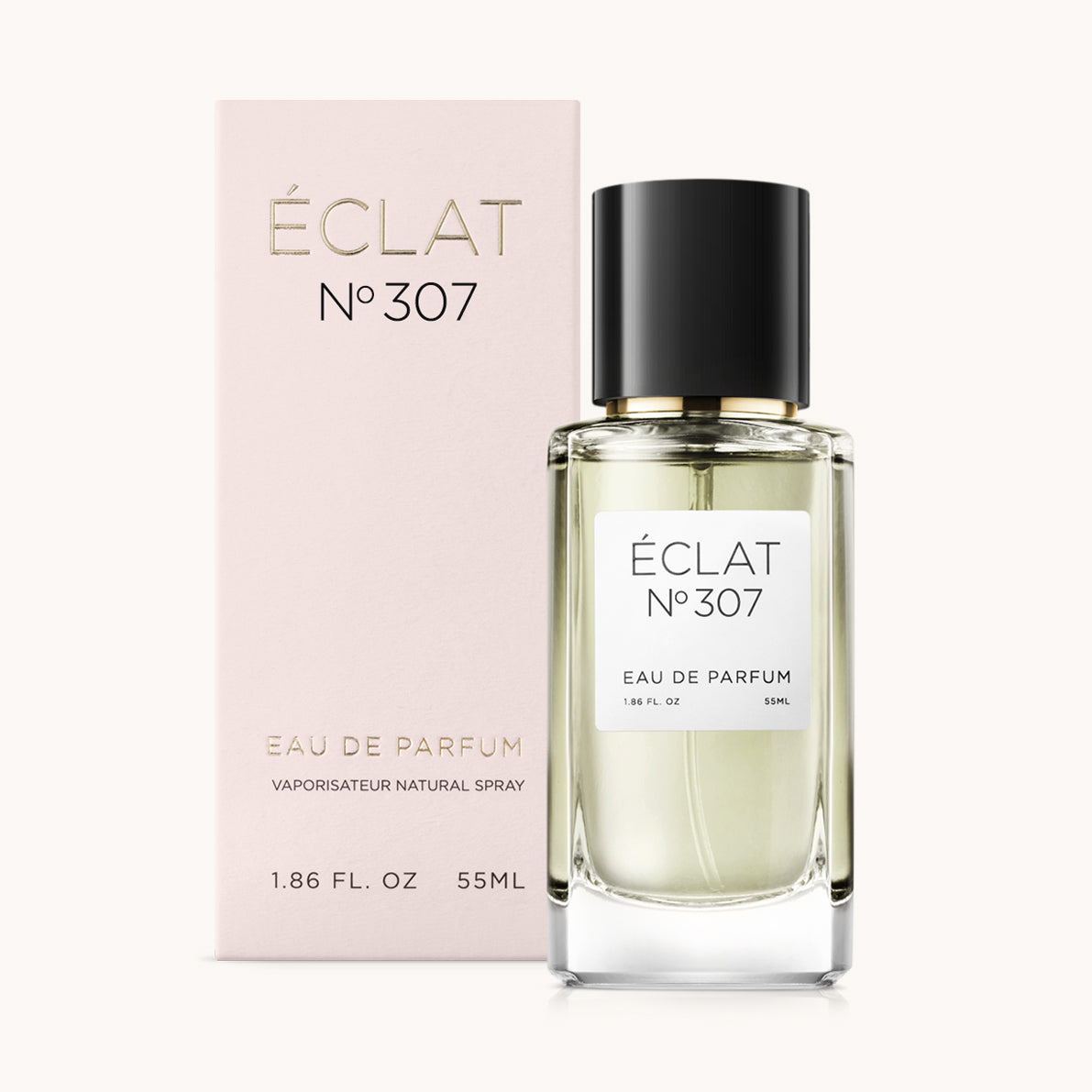
-45%
RPP
-40%
RPP
-45%
-50%
RPP
MEN'S FRANGIPANI PERFUMES
-45%
UNISEX FRANGIPANI PERFUMES
-50%
-50%
RPP
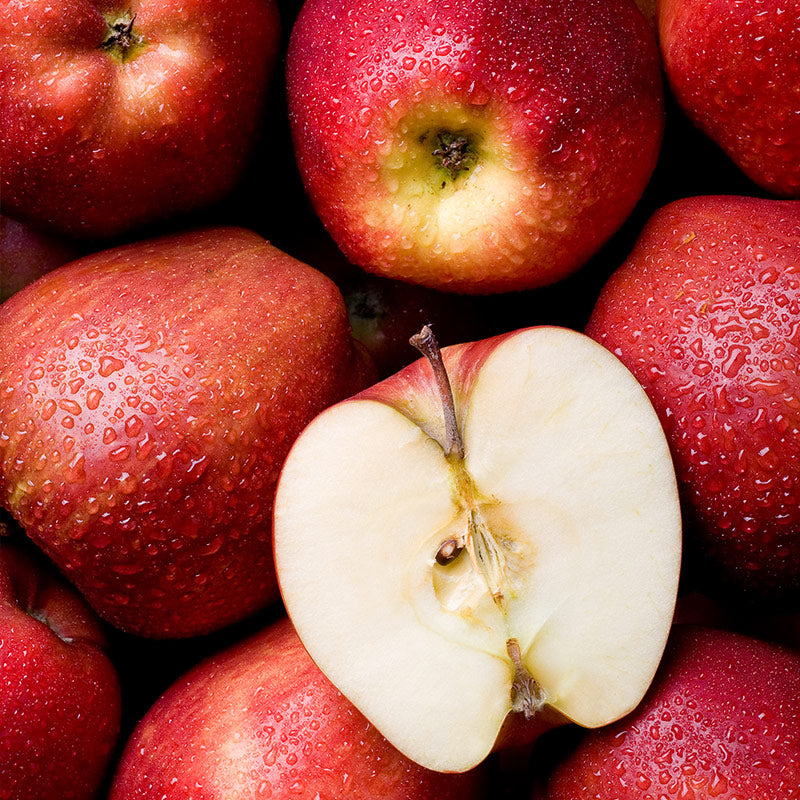
APPLE PERFUMES
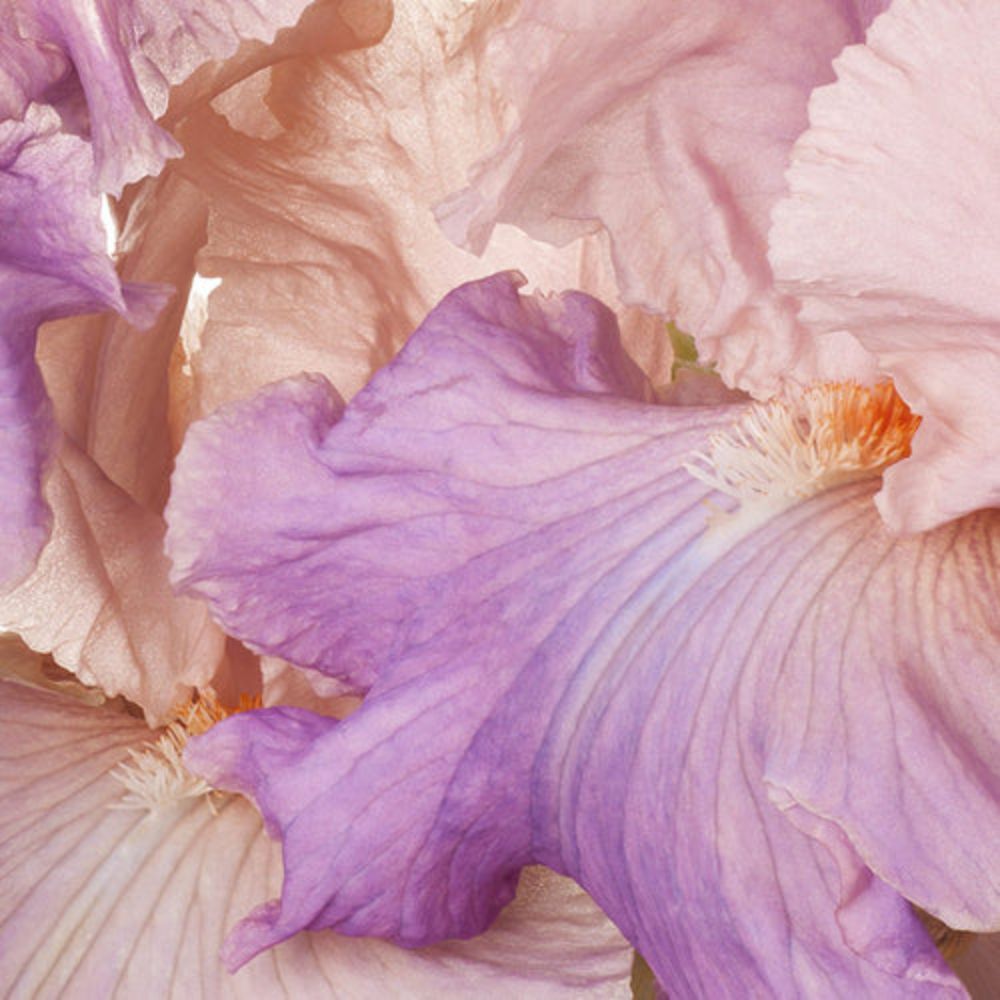
IRIS & ORRIS ROOT PERFUMES
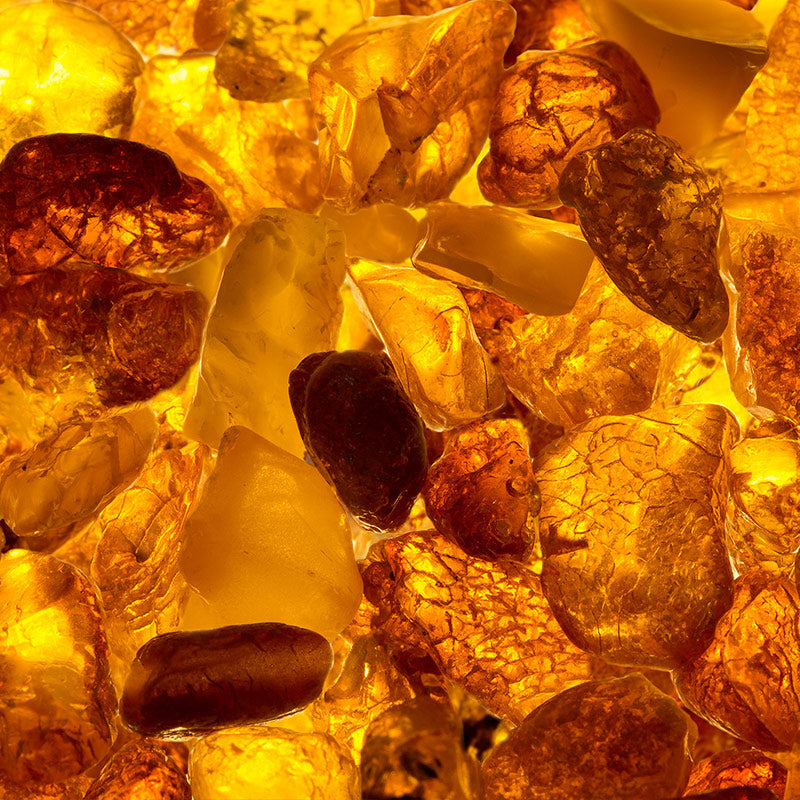
AMBER PERFUMES
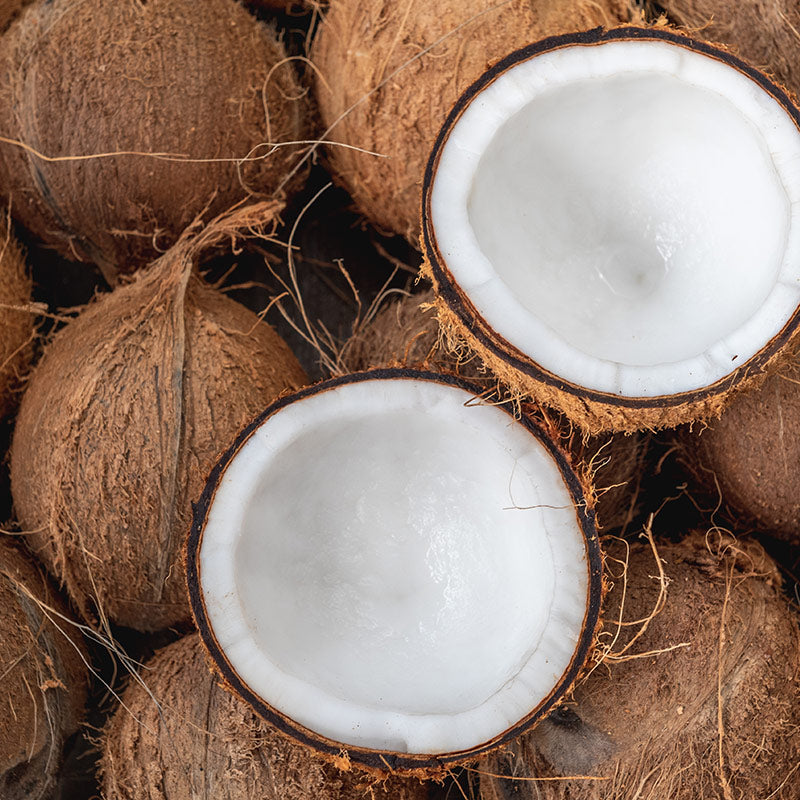
COCONUT & PALM WOOD PERFUMES
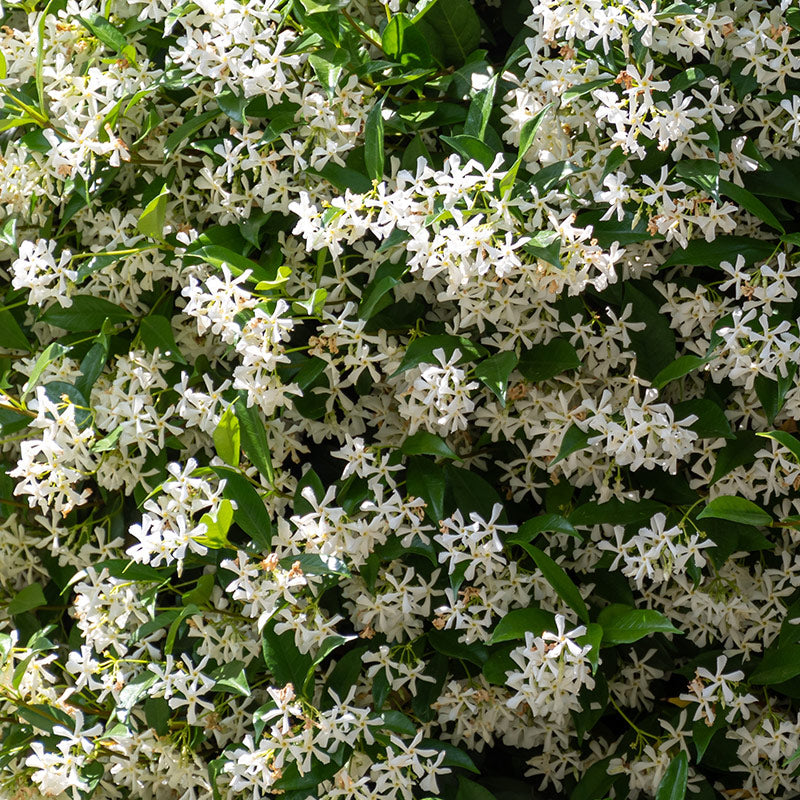
JASMINE PERFUMES
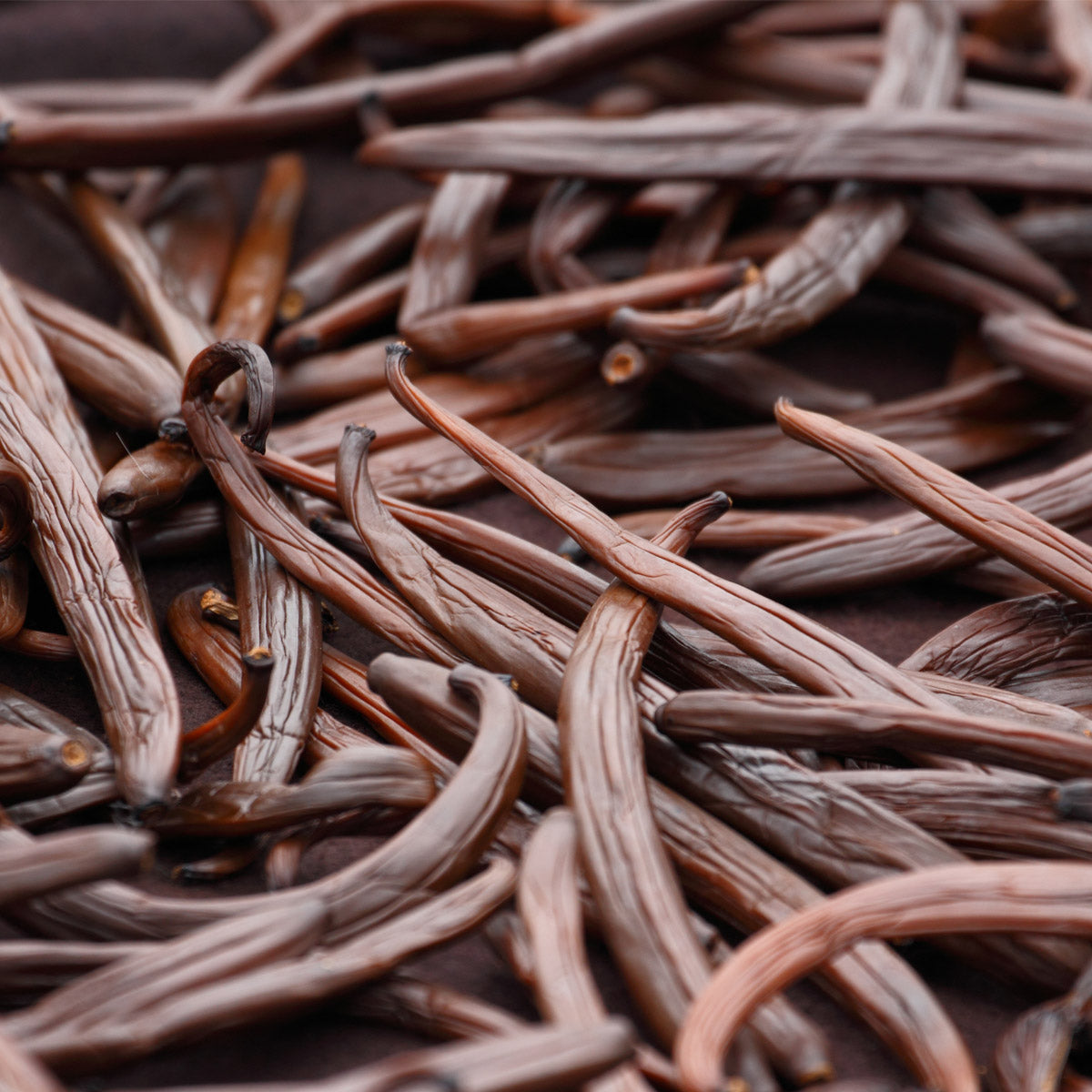
VANILLA PERFUMES
LEMON & CITRON PERFUMES
COFFEE & MOCHA PERFUMES
ROSE PERFUMES
SANDALWOOD PERFUMES

MUSK & WHITE MUSK PERFUMES
PATCHOULI PERFUMES
BERGAMOT PERFUMES
LILAC PERFUMES
VETIVER PERFUMES
LILY OF THE VALLEY PERFUMES
OUD PERFUMES
Creamy tropical frangipani between coconut warmth and honeyed petals
Frangipani perfume captures one of the most opulent white florals in perfumery. Frangipani, also known as plumeria, blooms on tropical trees across the Pacific, Southeast Asia and the Caribbean, where its waxy flowers open in shades of white, yellow and pink. In fine fragrance the note is usually recreated through modern accords rather than a simple extract, because the delicate living blossom releases its warm, creamy character mainly at dusk and is difficult to capture directly. This makes frangipani a signature of lush, sun-warmed floral compositions.
How frangipani smells
The scent of frangipani is rich, sweet and unmistakably tropical. At its core sits a soft, creamy floral heart, wrapped in a honeyed sweetness and touched by a coconut-milk warmth that gives it a suntan-lotion nostalgia many people adore. There are gentle green and slightly fruity facets underneath, and a nectar-like depth that keeps the flower feeling voluptuous rather than sharp. Compared with jasmine, frangipani is rounder and creamier, less indolic and animalic; next to tuberose it is softer and more milky, without tuberose's narcotic, almost spicy edge. That balance between petal and cream is what makes it so recognisable.
In the fragrance pyramid
Frangipani lives in the heart of a composition, unfolding once the bright top notes have settled. It has moderate volatility: it is not as fleeting as citrus, yet lighter than resins and woods. In these perfumes it typically drives the middle phase and lends a warm, radiant floral glow. Expect a generous sillage on skin and a soft, lingering trail rather than a sharp projection, giving the scent a sensual, close-to-skin persistence as it dries down.
Fragrance families and classic pairings
As a lush white floral, frangipani belongs to the floral and floral-oriental families, and often appears in solar, tropical and summery signatures. Typical companions of this direction include:
- coconut and creamy tonka for a beachy, gourmand warmth
- ylang-ylang, jasmine and tiaré for a fuller white-flower bouquet
- vanilla, benzoin and sandalwood in the base for a soft, enveloping finish
- bergamot or mandarin on top to lift the sweetness
These pairings are common examples of how frangipani is built into a scent, not a fixed formula for the products shown here.
Who it suits and when
Frangipani perfumes are made for anyone drawn to opulent, sun-lit florals with a sensual, exotic feel. They come into their own in spring and summer, especially in warm weather and from late afternoon into the evening, when the creamy sweetness feels most inviting. Think holidays, warm-weather celebrations and relaxed evenings where you want a scent that reads as radiant and inviting.
Finding your frangipani
To choose within this category, notice whether you prefer the more solar-fruity readings of frangipani or the creamier, more gourmand interpretations. Fragrance samples are the easiest way to compare how the note develops on your own skin over several hours. Frangipani also layers beautifully with coconut or vanilla accords if you want to deepen its tropical warmth.