



HIBISCUS PERFUMES
Hibiscus brings a bright, fruity-floral facet to perfumery – tart and juicy up top, with a soft, faintly rosy warmth underneath. These fragrances suit anyone who loves fresh, radiant compositions that feel light without being sharp.
You'll find hibiscus paired with citrus, red berries and delicate white flowers, carried by a smooth base. It shines in spring and summer, from daytime wear to relaxed evenings, and lends a modern, sunlit character to floral scents.
WOMEN'S HIBISCUS PERFUMES
-45%
-45%
-40%
RPP
APPLE PERFUMES
IRIS & ORRIS ROOT PERFUMES
AMBER PERFUMES
COCONUT & PALM WOOD PERFUMES
JASMINE PERFUMES
VANILLA PERFUMES
LEMON & CITRON PERFUMES
COFFEE & MOCHA PERFUMES
ROSE PERFUMES
SANDALWOOD PERFUMES

MUSK & WHITE MUSK PERFUMES
PATCHOULI PERFUMES
BERGAMOT PERFUMES
LILAC PERFUMES
VETIVER PERFUMES
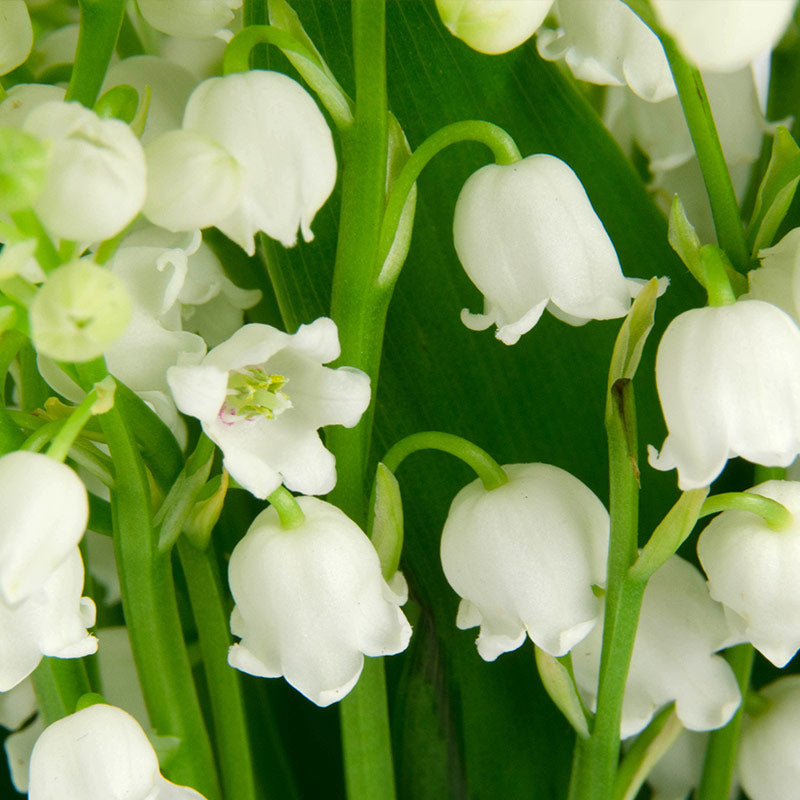
LILY OF THE VALLEY PERFUMES
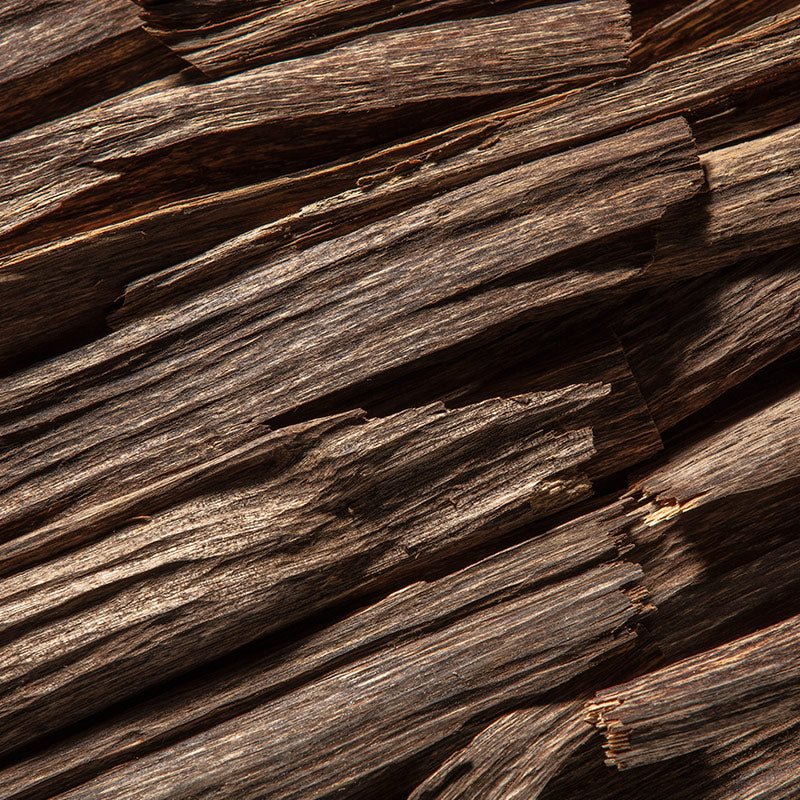
OUD PERFUMES
Tangy hibiscus between red berries and soft rose
Hibiscus perfumes capture one of the most luminous fruity-floral notes in modern fragrance. The note takes its name from the hibiscus flower, a large tropical bloom prized for its vivid colour and tart, cranberry-like character. In perfumery the scent is usually recreated through fragrance accords rather than a single natural extract, which lets perfumers dial in exactly the juicy, slightly sour brightness that makes hibiscus so recognisable and so wearable in a wide range of compositions.
How hibiscus smells
The scent of hibiscus sits somewhere between fruit and flower. There is a tangy, red-fruit tartness reminiscent of cranberry and pomegranate, wrapped around a soft, gently rosy floralcy. It reads as fresh, dewy and translucent rather than heavy or sweet, with a faint green edge that keeps it crisp. Compared with a full rose note, hibiscus is lighter, fruitier and far more playful; compared with pure red-berry notes, it carries a floral roundness that berries alone never have. That balance of juicy sharpness and petal softness is exactly what gives these Düfte their sunlit, easy-to-wear signature.
Position, longevity and sillage
Hibiscus mostly lives in the top-to-heart transition of a fragrance. It brightens the opening with its tart lift, then settles into a soft floral heart before quieter base notes take over. As a lighter, fairly volatile note it rarely anchors a scent on its own; instead it colours the first hours with radiance and a moderate, airy sillage. Longevity depends on the woods, musks or amber that support it in the base.
Fragrance families and classic pairings
Hibiscus belongs firmly to the fruity-floral family and often appears in fresh, summery and modern floral compositions. Perfumers like to combine it with sparkling citrus such as bergamot and mandarin, with red fruits like raspberry and pomegranate, and with white flowers such as jasmine or freesia to deepen the bouquet. Typical companions of this direction include:
- bright citrus for extra lift in the opening
- red berries that echo its tart facet
- soft musks and light woods to smooth the dry-down
These pairings are examples of the style rather than the exact pyramid of any single article in the collection.
Who it suits and when to wear it
Hibiscus perfumes are made for anyone drawn to fresh, cheerful and radiant scents. They feel most at home in spring and summer, on warm days and mild evenings, and work beautifully from office to weekend to relaxed dinners. The tangy-floral character reads youthful and uncomplicated without ever feeling generic, making it a versatile choice for everyday wear.
Finding your hibiscus scent
Because hibiscus can lean either more fruity or more floral depending on its partners, it helps to explore several fragrances of this direction rather than commit blind. Sampling with fragrance testers lets you experience how the tart opening evolves on your own skin, and layering hibiscus with a soft musk or a light citrus can push the effect brighter or rounder as you prefer.