



MOSS & OAK MOSS PERFUMES
Oakmoss brings a deep, earthy green to a fragrance – slightly bitter, damp and reminiscent of forest floor after rain. It suits anyone who loves scents with texture and a natural, grounded character rather than sweetness. This category gathers perfumes in which moss forms the shadowy, mineral backbone.
You will find oakmoss most often in chypre and woody compositions, where it works quietly in the background and lends the whole scent a mature, long-lasting depth. These fragrances lean towards cooler, more introspective moods and reward those who like a subtle, sophisticated trail.
WOMEN'S MOSS & OAK MOSS PERFUMES
-45%
-45%
-45%
RPP
-40%
RPP
-60%

RPP
-45%
RPP
-40%
RPP
-40%
MEN'S MOSS & OAK MOSS PERFUMES
-50%
-45%
RPP
-45%
RPP
-45%
-65%
RPP
-40%
RPP
-50%
RPP
-45%
UNISEX MOSS & OAK MOSS PERFUMES
-50%

RPP
-50%

APPLE PERFUMES
IRIS & ORRIS ROOT PERFUMES

AMBER PERFUMES

COCONUT & PALM WOOD PERFUMES
JASMINE PERFUMES
VANILLA PERFUMES

LEMON & CITRON PERFUMES

COFFEE & MOCHA PERFUMES

ROSE PERFUMES
SANDALWOOD PERFUMES
MUSK & WHITE MUSK PERFUMES
PATCHOULI PERFUMES
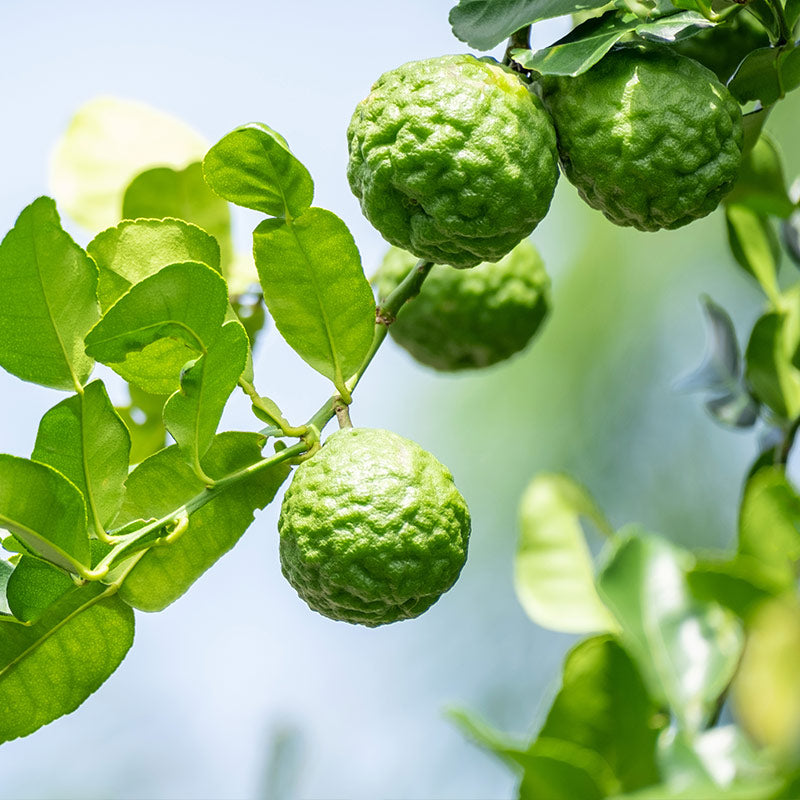
BERGAMOT PERFUMES
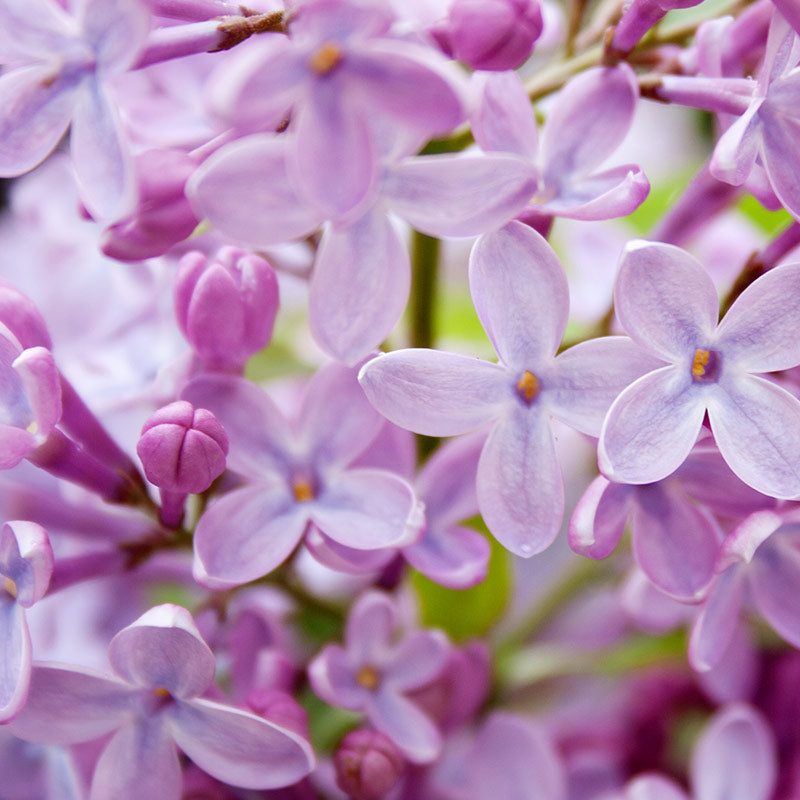
LILAC PERFUMES
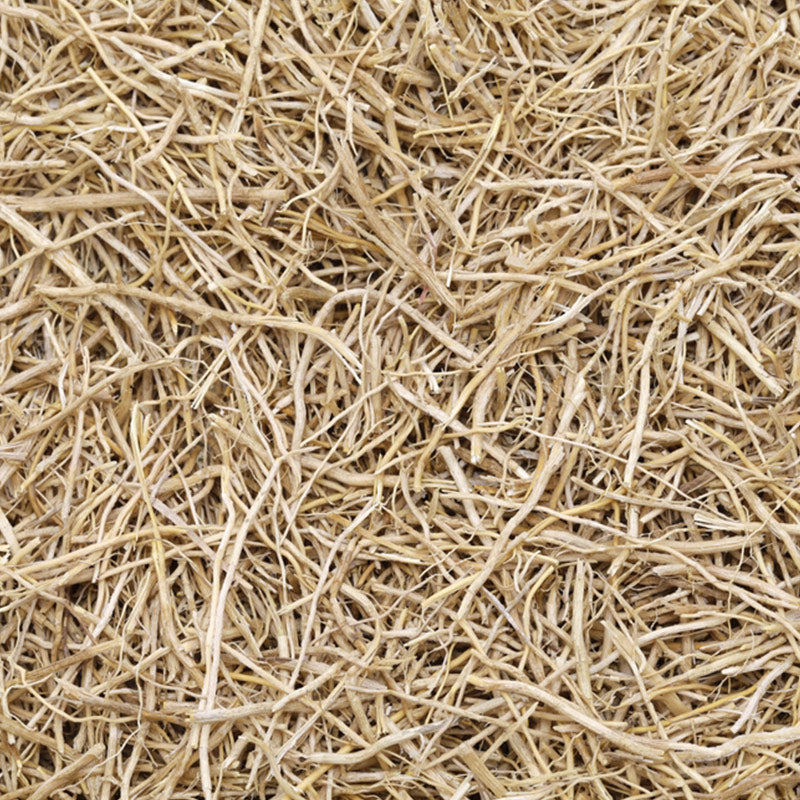
VETIVER PERFUMES
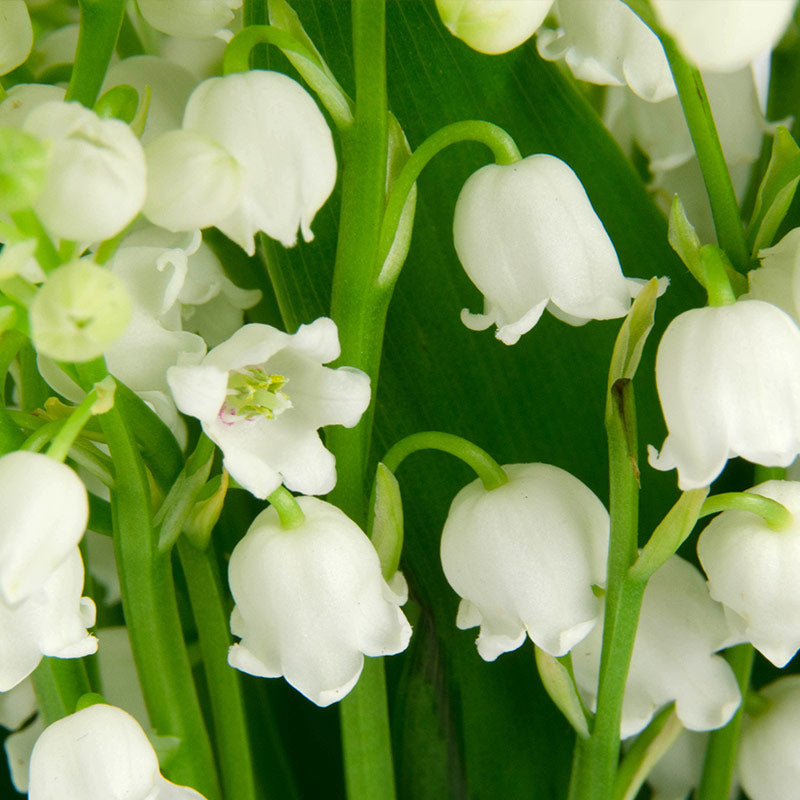
LILY OF THE VALLEY PERFUMES
OUD PERFUMES
Earthy oakmoss between damp forest floor and green bitterness
Oakmoss is one of the classic pillars of perfumery. It is a lichen that grows on the bark of oak and other trees, harvested and processed into an aromatic material that has shaped fragrances for well over a century. In perfumes with oakmoss, this raw material contributes a natural, unmistakably green-earthy signature that few other notes can replicate. Because true moss materials are used sparingly today, the note is often reproduced or supported by carefully composed accords, always aiming for that damp, woodland character.
How oakmoss smells
The scent of oakmoss is deep, earthy and green, with a distinct bitterness that keeps it from ever feeling sweet. There is something of damp bark, forest floor after rain and cool shade in it, along with faint inky, leathery and slightly salty facets. It smells more like a place than a flower – the shadowed underside of a wood rather than a bright meadow. This raw, mineral quality is exactly what gives oakmoss perfumes their grounded, grown-up feel. Where patchouli is smoky-earthy and vetiver is dry and grassy, oakmoss is cooler, greener and more humid, closer to living lichen than to soil or roots.
Position in the fragrance and longevity
Oakmoss lives in the base of a composition. It is a low-volatile, tenacious material that unfolds slowly and lingers on skin and fabric for many hours. Rather than announcing itself at first spray, it emerges as the top and heart fade, anchoring the fragrance and giving it a long, quiet trail. This makes oakmoss a key contributor to both longevity and a soft, diffusive sillage.
Fragrance families and classic pairings
Oakmoss is the defining ingredient of the chypre family, traditionally combined with bergamot in the top and labdanum in the base to create that signature bittersweet contrast. It also feels at home in woody, fougère and green fragrances. Classic partners of this direction include:
- bergamot and citrus for a bright, contrasting opening
- patchouli and vetiver for added earthy depth
- labdanum, amber and leather for a warm, resinous base
- lavender and geranium in aromatic, fougère-style blends
These are typical companions of the moss direction and serve only as examples of how the note is used, not as the exact composition of any single perfume in this category.
Who it suits and when to wear it
Oakmoss perfumes appeal to those who prefer sophisticated, understated scents with natural depth over obvious sweetness. The note comes into its own in cooler weather, from autumn through winter, and in the evening or on more formal occasions, though drier green versions can also carry a refined daytime mood. It reads as timeless and mature rather than playful.
Finding your scent
Because moss-driven fragrances vary from crisp and green to dark and leathery, it helps to explore several within this selection to see which balance suits you. Sampling with fragrance testers is the best way to experience how oakmoss develops on your own skin over the hours, and layering it with a warmer woody or amber scent can further deepen its earthy character.