



POWDER & TALC PERFUMES
Powdery fragrances wrap the skin in a soft, clean warmth reminiscent of fine talc, tender iris and creamy musk. They feel intimate and comforting, like freshly powdered skin, and suit anyone who loves a quiet, refined signature rather than a loud statement.
These perfumes lean smooth and gentle, often smelling like cashmere against the skin. Fragrances in this category tend to feel understated and elegant, perfect for close encounters and everyday wear when you want subtle sophistication.
WOMEN'S POWDER & TALC PERFUMES
-45%
RPP
-45%
-40%
RPP
-45%
RPP
-45%
RPP
-45%
-40%
RPP
-45%
UNISEX POWDER & TALC PERFUMES
-45%
-50%

APPLE PERFUMES
IRIS & ORRIS ROOT PERFUMES
AMBER PERFUMES

COCONUT & PALM WOOD PERFUMES
JASMINE PERFUMES
VANILLA PERFUMES

LEMON & CITRON PERFUMES
COFFEE & MOCHA PERFUMES
ROSE PERFUMES
SANDALWOOD PERFUMES

MUSK & WHITE MUSK PERFUMES
PATCHOULI PERFUMES

BERGAMOT PERFUMES
LILAC PERFUMES
VETIVER PERFUMES
LILY OF THE VALLEY PERFUMES
OUD PERFUMES
Soft powdery perfumes between iris, talc and musk
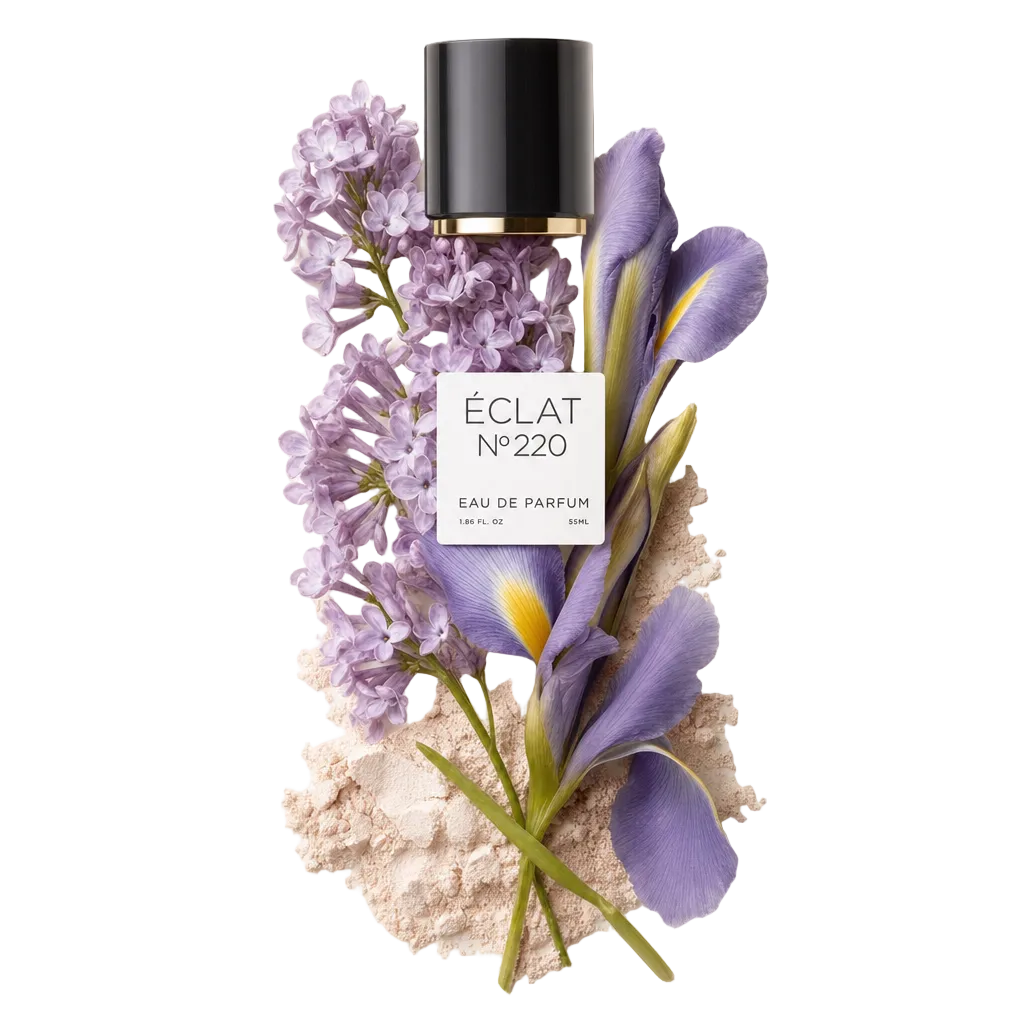
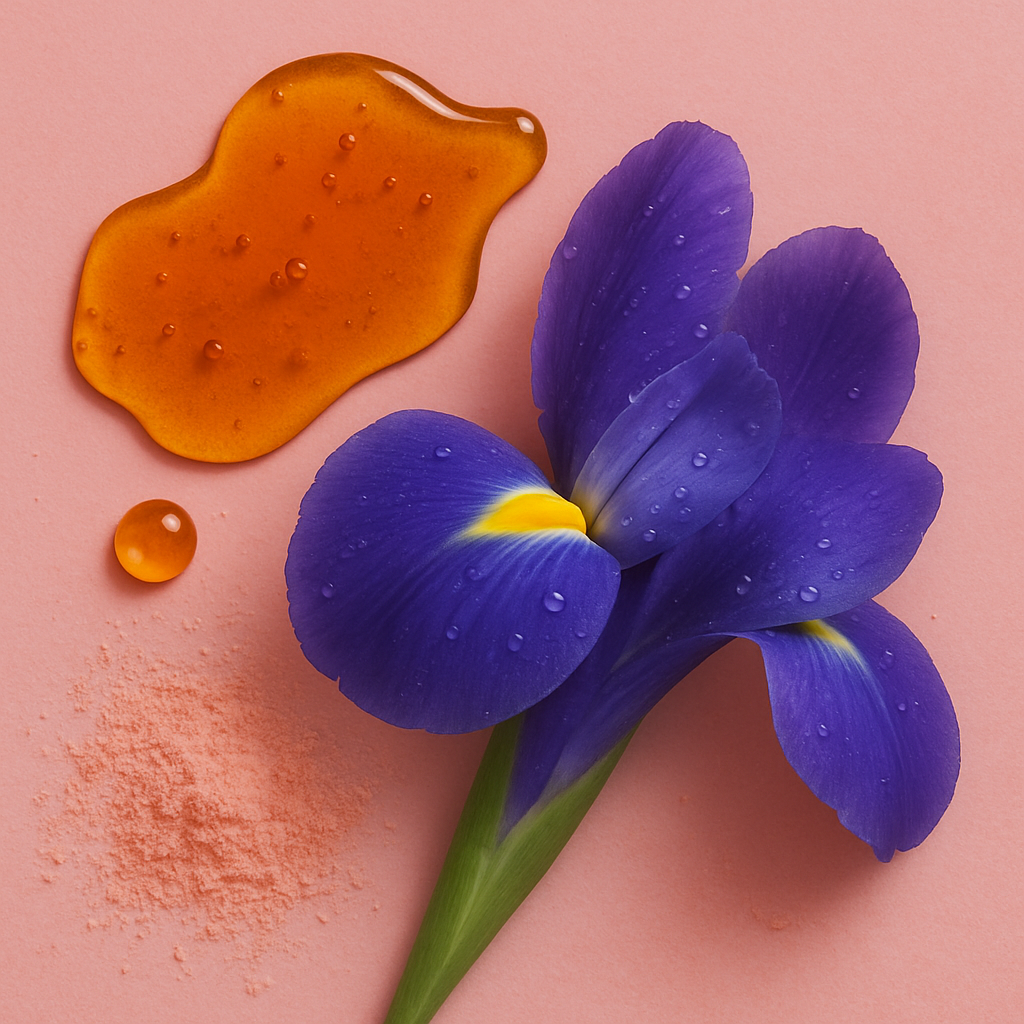
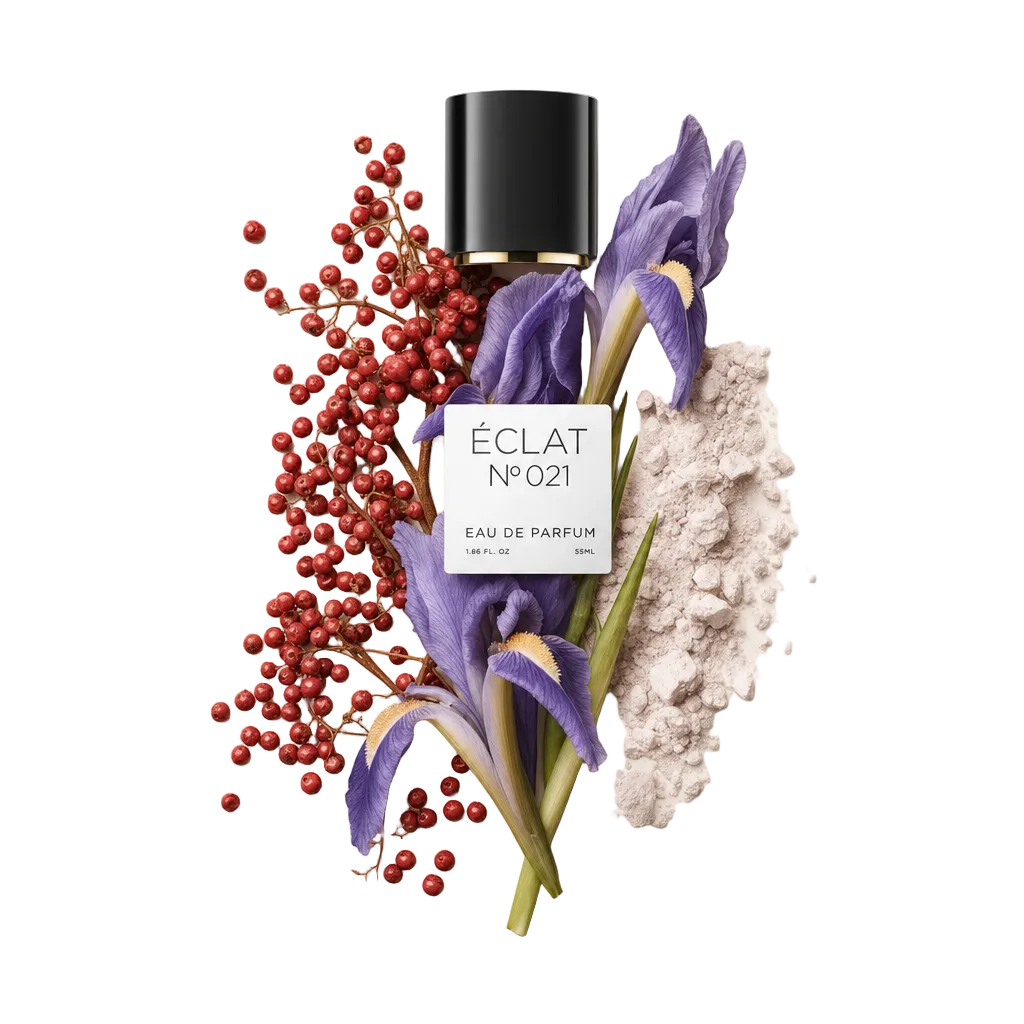
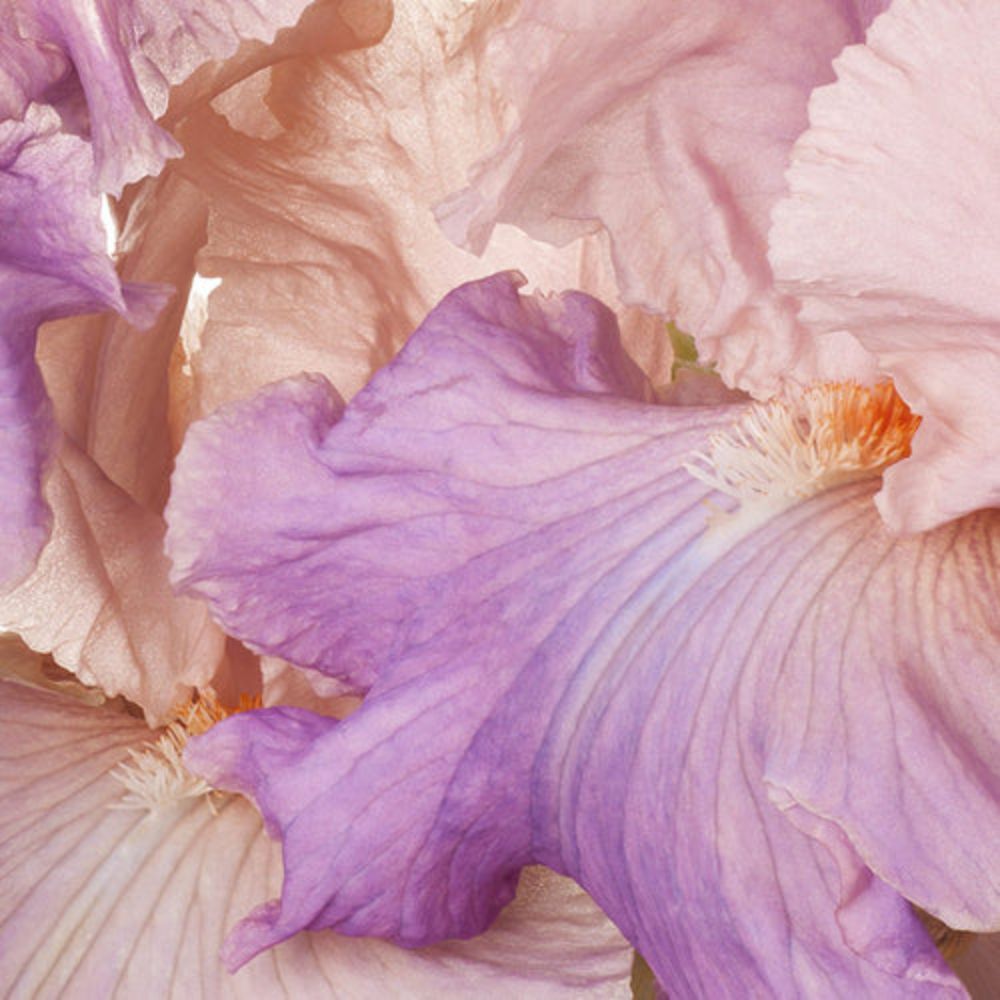
Powdery perfumes are defined less by a single raw material than by an effect: the impression of soft, dry, clean skin dusted with fine powder. This sensation is usually built from ingredients such as orris (iris root), musk, heliotrope, violet and light aldehydes. Orris in particular is one of the most treasured materials in perfumery, distilled from the dried rhizome of the iris plant after years of ageing, which gives it its characteristic powdery-earthy depth.
How powdery notes smell
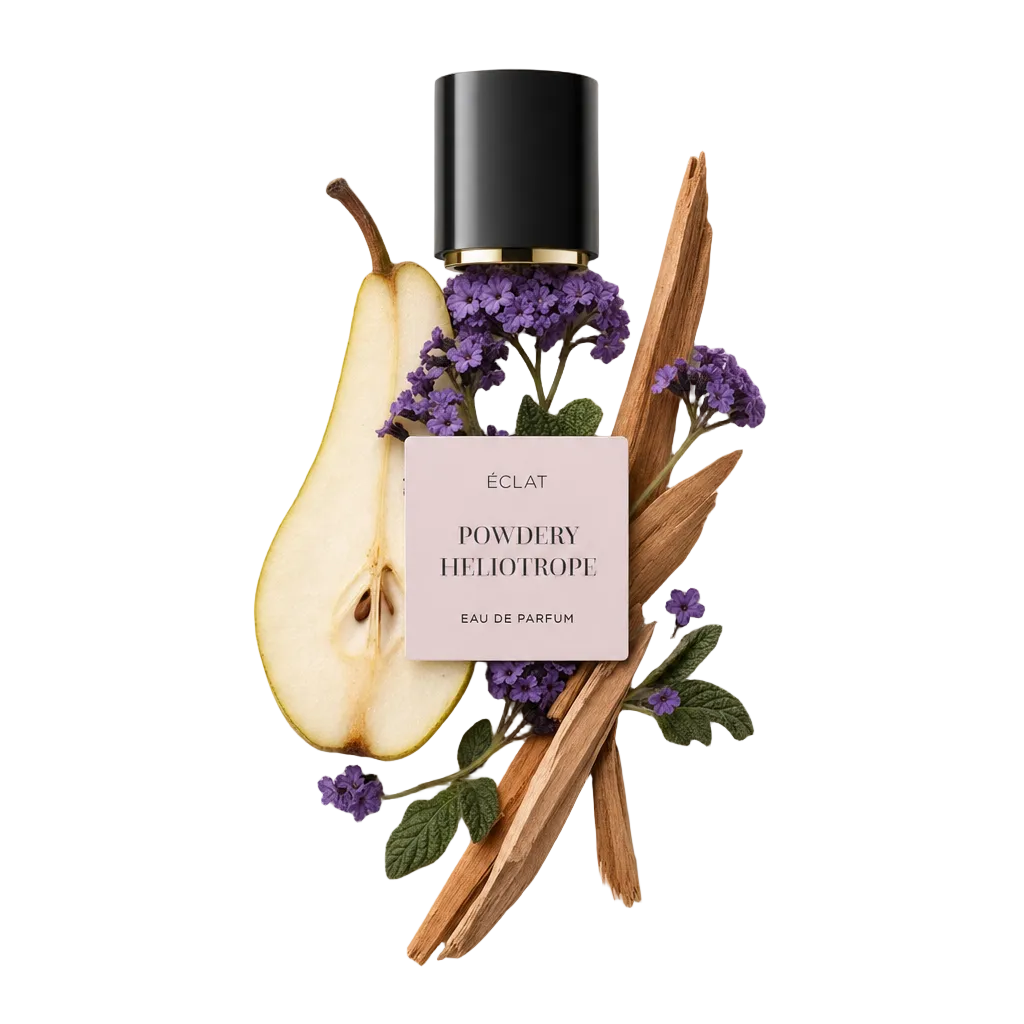
The scent of a powdery perfume is soft, matte and slightly cool, like talc or freshly ironed cotton. Iris brings a suede-like, faintly earthy powder; heliotrope adds a sweet, almond-vanilla dustiness; violet contributes a delicate floral shimmer; and clean musks smooth everything into a second-skin warmth. Together these facets read as tender, refined and never sharp, closer to cashmere or fine linen than to sweet or fruity accords. There is a cosy, comforting quality that feels intimate rather than projecting.
Position and staying power
Powdery accords sit mainly in the heart and base of a fragrance. Iris and musk are relatively tenacious and linger close to the skin for many hours, while aldehydes and violet add lift in the opening before settling. Because these notes hug the skin rather than radiating widely, powdery perfumes usually offer moderate, soft sillage with dependable longevity, leaving a delicate trail rather than a bold cloud.
Fragrance families and classic pairings
Powdery facets appear across several families. In floral perfumes they soften rose and jasmine; in woody-oriental compositions they blend with sandalwood and amber for a creamy warmth; in aldehydic florals they define the crisp, soapy-clean character. Typical companions of this direction include:
- Iris paired with sandalwood and musk for a smooth, suede-like base
- Heliotrope and violet with vanilla for a sweet, cosy powder
- Aldehydes with white flowers for a clean, luminous opening
Unlike a purely vanillic gourmand, which reads sweet and edible, powdery notes stay dry and cosmetic, and unlike a bright citrus opening they feel matte and intimate rather than sparkling. This is the key difference from adjacent sweet or fresh directions.
Who they suit and when to wear them
Powdery perfumes suit anyone drawn to understated elegance and a soft, refined aura. They work beautifully for everyday wear, office settings and cooler seasons, and feel especially at home in autumn and winter or on cool spring evenings. Their quiet warmth makes them a natural choice for close encounters and moments where subtlety is welcome.
Finding your powdery scent
To choose within this category, consider whether you prefer a cooler iris-driven powder or a sweeter heliotrope warmth. Fragrance samples let you test how these soft notes evolve on your skin over the day. Powdery perfumes also layer well, adding a smooth, creamy veil over floral or woody eau de parfum in this selection.