



TEA PERFUMES
Tea gives a fragrance a clear, green freshness with a quietly aromatic character. Perfumes with a tea note feel light and refined without being loud – ideal if you love scents that stay close to the skin and never overpower.
This selection brings together fragrances in which the tea note sets the tone: from crisp green tea to warmer, smoky black tea. They suit everyday wear, work and warm days, and pair beautifully with citrus, florals and soft woods.
WOMEN'S TEA PERFUMES
-45%
RPP
-45%
-75%
RPP
-60%
-70%
-40%
-60%
RPP
-45%
MEN'S TEA PERFUMES
-50%
RPP
-40%
-70%
RPP
-70%
RPP
-50%
RPP
UNISEX TEA PERFUMES
-45%
-45%
-45%
-50%
-40%
RPP

APPLE PERFUMES
IRIS & ORRIS ROOT PERFUMES

AMBER PERFUMES

COCONUT & PALM WOOD PERFUMES
JASMINE PERFUMES
VANILLA PERFUMES

LEMON & CITRON PERFUMES
COFFEE & MOCHA PERFUMES
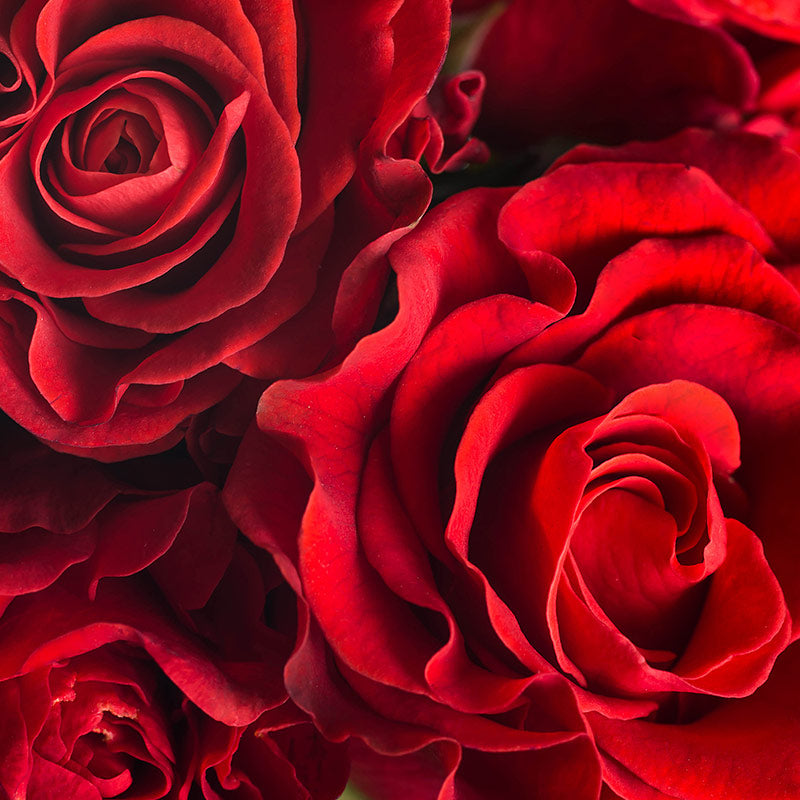
ROSE PERFUMES
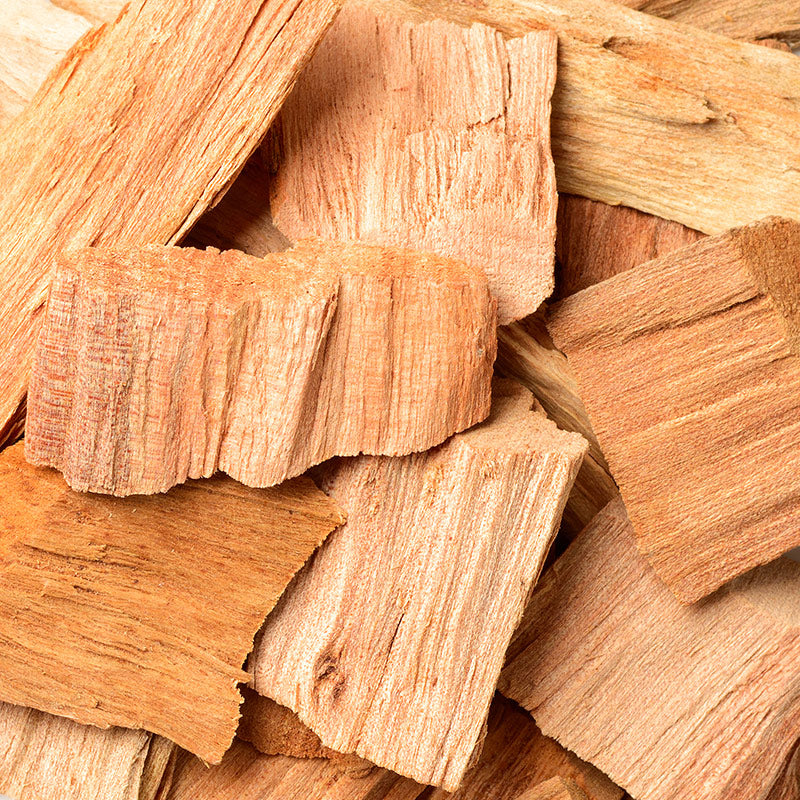
SANDALWOOD PERFUMES

MUSK & WHITE MUSK PERFUMES
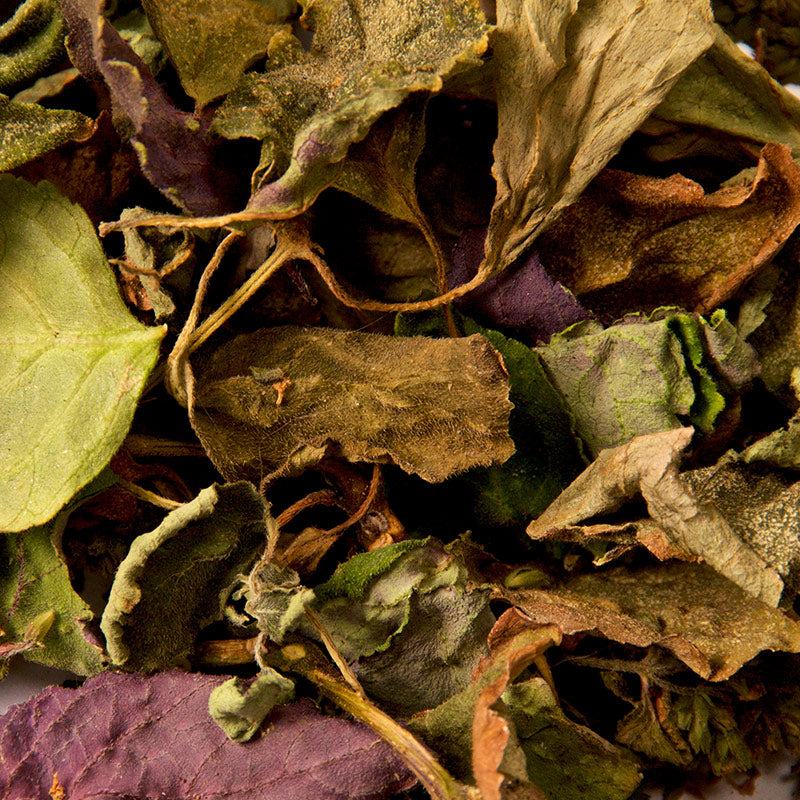
PATCHOULI PERFUMES
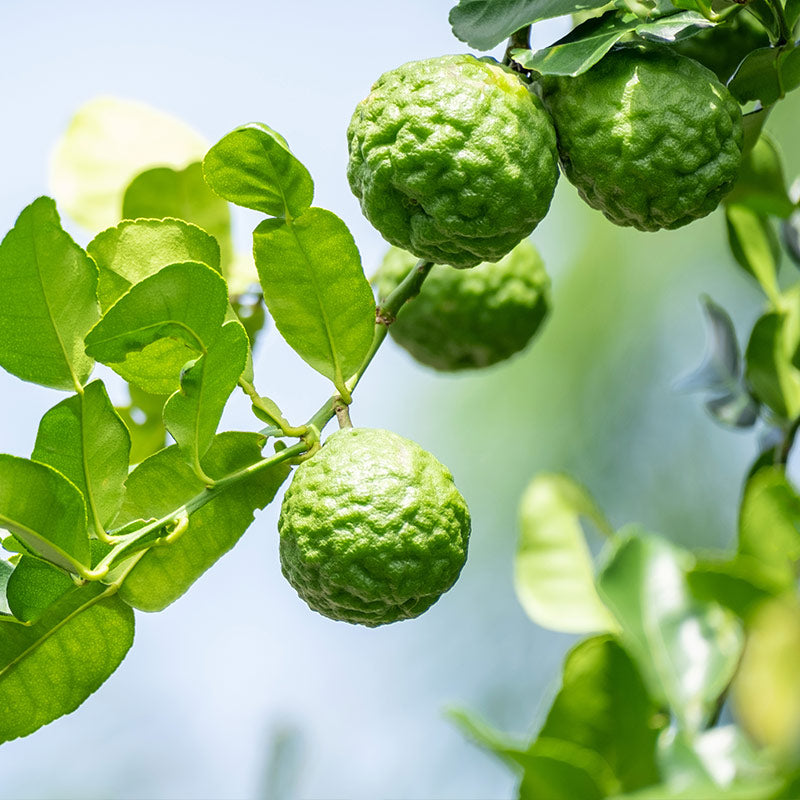
BERGAMOT PERFUMES
LILAC PERFUMES
VETIVER PERFUMES
LILY OF THE VALLEY PERFUMES
OUD PERFUMES
Green tea between fresh leaves and soft aroma
Tea is one of the most quietly elegant materials in perfumery. In a bottle it rarely comes from the brewed drink itself; instead perfumers recreate its scent with aroma molecules and blends of green, herbal and floral facets. The idea goes back to the tradition of scented teas, where dried leaves are perfumed with jasmine, bergamot or smoke. That heritage is what tea perfumes translate into wearable form – a fresh, leafy signal of calm refinement.
How tea smells
The scent of tea is fresh, dry and softly bitter, with a green, leafy transparency that feels almost airy. Green tea leans crisp and grassy, sometimes with a citrus edge, while black tea turns warmer, tannic and lightly smoky. Around it you often find hay-like, herbal and slightly floral nuances. Unlike a pure herbal note, tea keeps a smooth, rounded quality – never sharp, always a little polished, as if the greenness has been filtered through paper and steam.
Position in the fragrance pyramid
Tea usually appears in the top and heart of a composition, where its freshness reads most clearly. It is a relatively volatile, translucent note that adds lift and clarity rather than heavy staying power. In perfumes with tea, expect a light to moderate sillage and a discreet trail that sits close to the skin. The lasting impression comes from what tea is paired with – woods, musks or amber in the base carry the aromatic freshness over the hours.
Fragrance families and classic pairings
Tea feels most at home in fresh, green and aromatic fragrance families, and it often bridges into citrus and light floral compositions. Perfumers love it for balance: it cools down sweetness and lends structure to soft blends. Typical companions of this direction include:
- bergamot and lemon for a bright, crisp opening
- jasmine, neroli or rose for a floral heart
- mint, ginger and pepper for an aromatic lift
- cedarwood, vetiver and white musk for a clean, dry base
Where a bitter orange or grapefruit note sharpens the edges, tea gains a lively, modern feel. Set against amber or tonka, it becomes softer and more comforting.
Who it suits and when to wear it
Fragrances with tea are wonderfully versatile and easy to wear. Their fresh, understated character suits everyday routines, the office and warm-weather days, from spring through late summer. They work best in daytime hours, when their clarity feels natural, and are equally at ease on anyone who prefers subtle, refined scents over bold statements. This is a note for people who like to smell clean, green and quietly composed.
Finding your tea fragrance
Because tea can lean crisp and green or warm and smoky, it helps to compare a few directions before deciding. Fragrance samples are the easiest way to see how a tea note settles on your skin over time. If you enjoy layering, a tea perfume pairs beautifully over citrus or light floral scents, adding an airy, leafy freshness that ties the composition together.