



AMBRETTE SEED PERFUMES
Ambrette seed is the plant-based side of musk – soft, powdery and warmly rounded, with a subtle nutty, almost pear-like facet. It carries a skin-close, velvety character that never feels sharp or clean-metallic. This makes it a favourite for anyone who loves musk but prefers a gentle, natural-feeling warmth.
In this category you will find fragrances in which ambrette seed lends a soft, sensual glow – equally at home in floral, woody and gourmand compositions. Browse the selection to find the mood that suits you.
WOMEN'S AMBRETTE SEED PERFUMES
-45%
-50%
RPP
-45%
RPP
-70%
RPP
-50%
-50%
RPP
-50%
MEN'S AMBRETTE SEED PERFUMES
-45%
RPP
-45%
RPP
-50%
RPP
-40%
RPP
UNISEX AMBRETTE SEED PERFUMES
-50%
RPP
-50%
-50%
-50%
-50%
APPLE PERFUMES
IRIS & ORRIS ROOT PERFUMES
AMBER PERFUMES
COCONUT & PALM WOOD PERFUMES
JASMINE PERFUMES
VANILLA PERFUMES
LEMON & CITRON PERFUMES
COFFEE & MOCHA PERFUMES
ROSE PERFUMES
SANDALWOOD PERFUMES
MUSK & WHITE MUSK PERFUMES
PATCHOULI PERFUMES
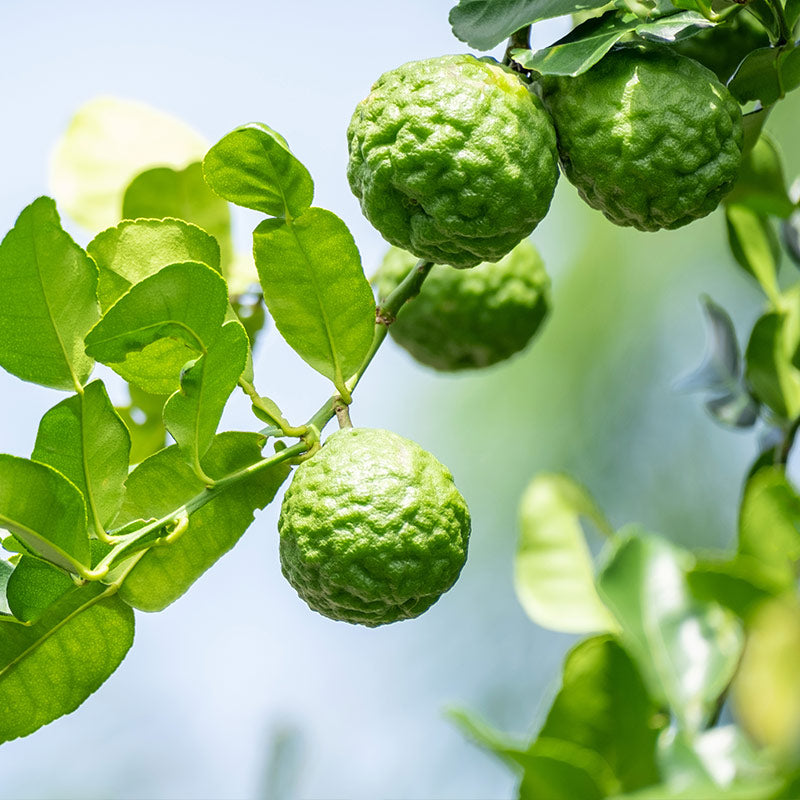
BERGAMOT PERFUMES
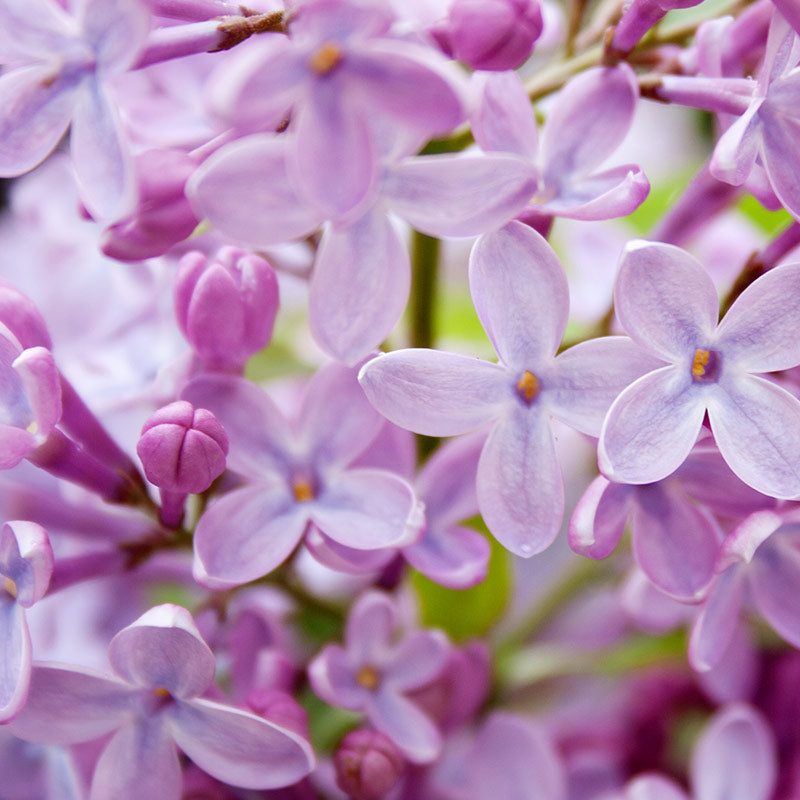
LILAC PERFUMES
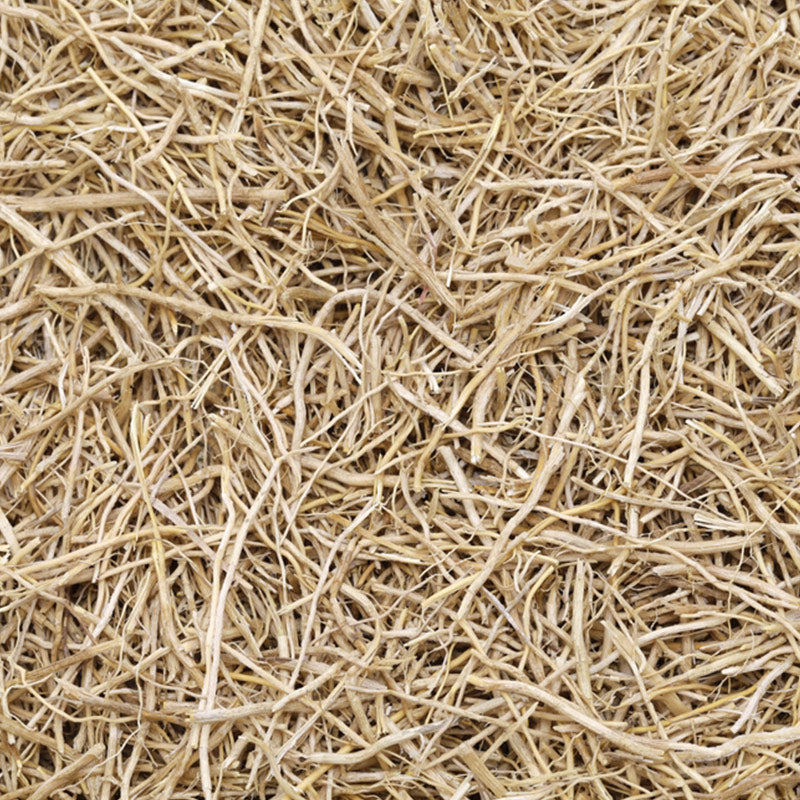
VETIVER PERFUMES
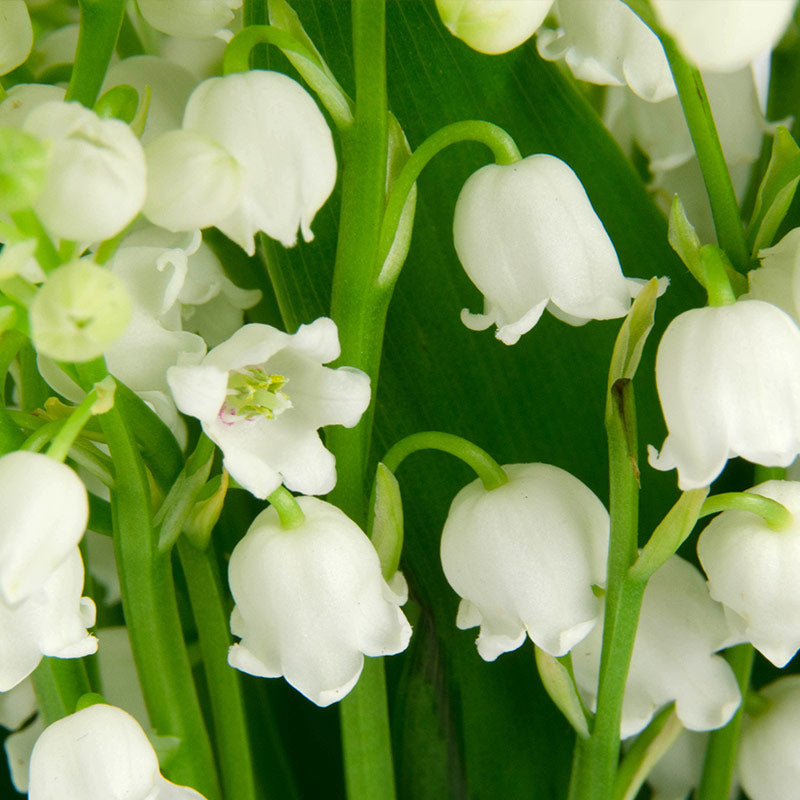
LILY OF THE VALLEY PERFUMES
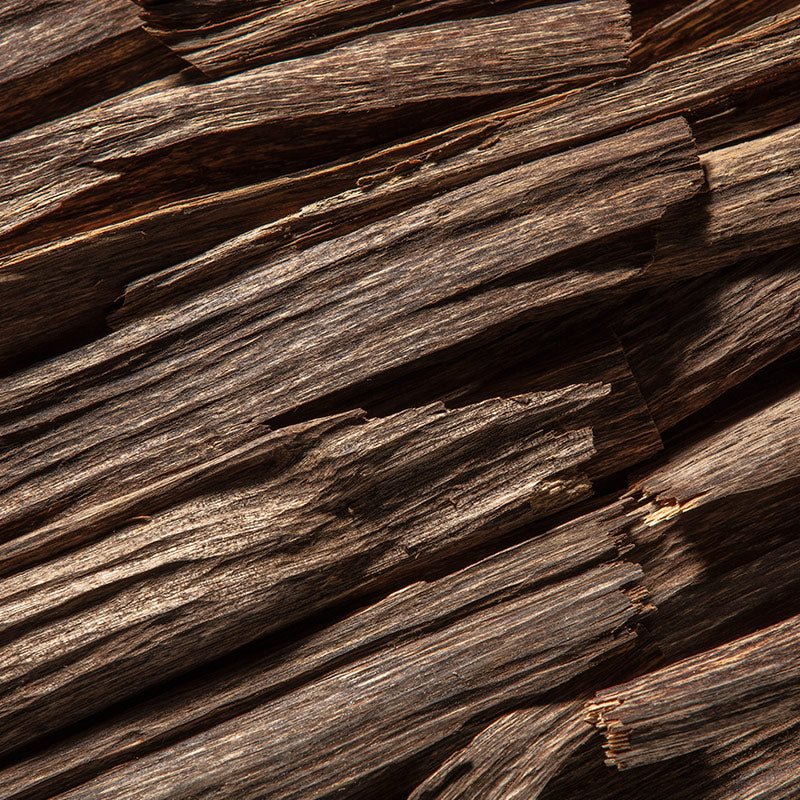
OUD PERFUMES
What ambrette seed is
Ambrette seed comes from the seeds of Abelmoschus moschatus, a plant in the mallow family often called musk mallow. From these seeds a fragrant material is obtained that has been valued in perfumery for centuries as one of the few plant-based sources of a musky scent. In fragrances with ambrette seed, this raw material contributes a warm, soft nuance that behaves quite differently from synthetic white musks – rounder, more organic and closer to the skin.
How ambrette seed smells
The scent of ambrette seed is soft, powdery and warm, with a musky heart that feels velvety rather than clean or airy. Around this core sit gentle facets: a nutty warmth, a hint of ripe pear, and a delicate floral-woody shimmer. It has a sensual, skin-like quality that seems to blur into your own natural scent instead of sitting on top of it. Compared with the sharp, laundry-fresh feel of many white musks, ambrette seed is deeper, warmer and more textured – less about freshness, more about intimacy and glow.
Position in the fragrance pyramid
Ambrette seed typically works in the heart and base of a composition, where its soft musk quietly supports and prolongs the other notes. It is not a loud, projecting material; instead it hums close to the skin and helps a fragrance last through many hours with a gentle sillage. Its warmth acts almost like a fixative, tying florals, woods and sweet accords together and giving the dry-down a rounded, cohesive finish.
Fragrance families and classic pairings
Ambrette seed appears in floral, woody, oriental and modern musky fragrances, where it can play a leading or a supporting role. Typical companions of this direction include:
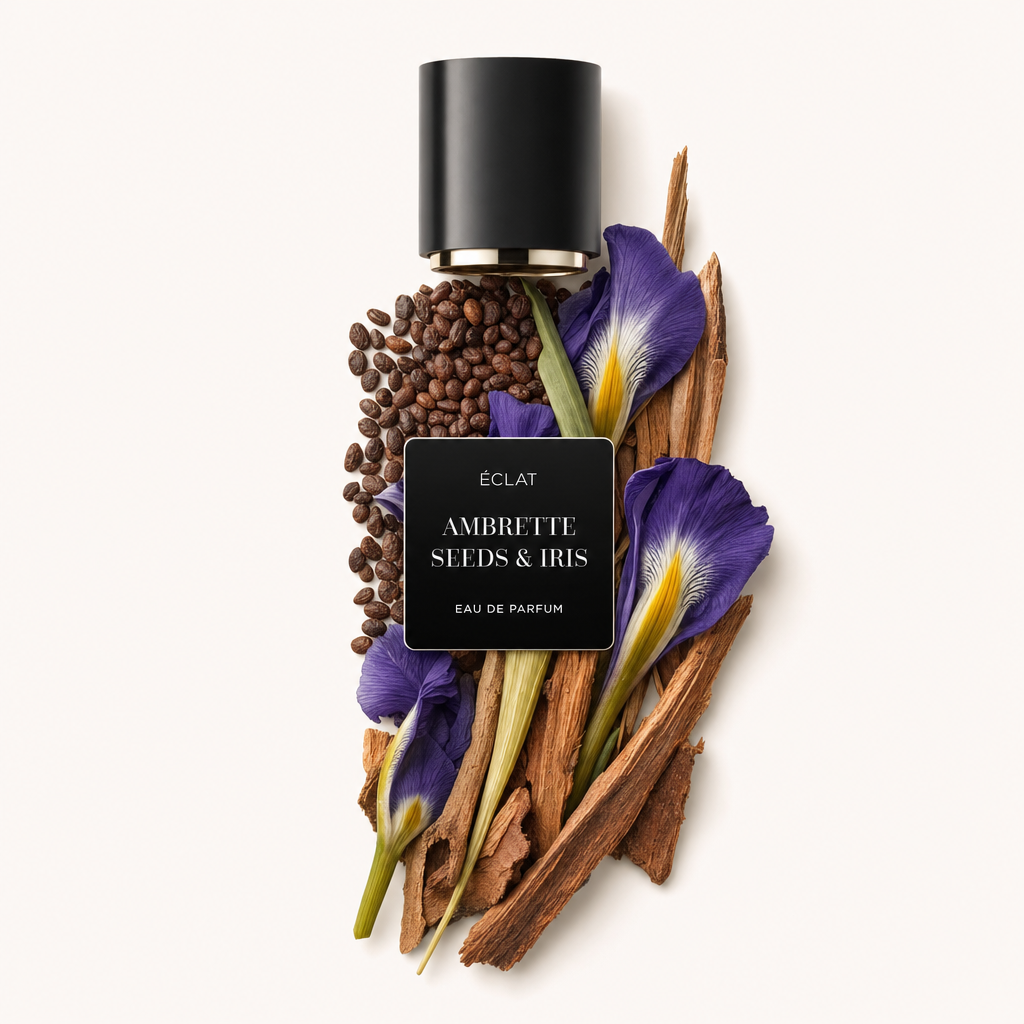
- white and powdery florals such as jasmine, iris and rose
- warm woods like sandalwood and cedar
- gourmand accents such as vanilla and tonka
- bright citruses like bergamot for a soft, glowing opening
Because ambrette seed is plant-based musk rather than the crisp, transparent white musk found in many clean scents, it brings a more natural, slightly sweet warmth to these pairings – rounder and cosier than a purely synthetic musk accord.
Who it suits and when to wear it
Fragrances built around ambrette seed suit anyone who loves soft, skin-close warmth and a sensual rather than fresh signature. They feel at home in cooler seasons and in the evening, yet the gentle, powdery character also works well for everyday wear and for those who prefer subtle, intimate scents. This makes ambrette seed a versatile choice across many moods and occasions.
Finding your fragrance
Since musky notes react closely to individual skin, it is worth experiencing these fragrances directly. Explore the perfumes in this category and try fragrance samples to discover which ambrette seed composition feels most like you. A soft musk like this also layers beautifully, adding a warm, powdery glow beneath floral or woody scents.